History56 recommended
 +
+A Distant Mirror: The Calamitous 14th Century
Barbara W. Tuchmanread in 2022
A raging plague, social upheaval, and an uncertain future. COVID-19? No. The Black Death and the 14th Century. This surprisingly gripping history uses the lens of a medieval French nobleman’s trials and travails as a way to explore all aspects of the 14th century. Technology has changed, but humans have not. Deeply insightful, on aspects both mundane and profound.
 +
+The Origins of Totalitarianism
Hannah Arendtread in 2022
A rich, sobering book, filled with deep insights about human nature, societies, governments, anti-Semitism, imperialism, and totalitarianism. It remains relevant today.
 +
+The Cold War: A New History
John Lewis Gaddisread in 2022
A swift survey of the entire Cold War, from its emergent beginnings to its unexpectedly quiescent ending.
 +
+The Premonition: A Pandemic Story
Michael Lewisread in 2021
It’s probably too close to reflect properly on it (as I write these words, COVID-19 daily new cases are at an all time peak…. 2 years into the pandemic), but this book tackles the early days of the pandemic and points out how bureaucratic instincts to avoid blame and follow proper procedures ultimately led to failure, over the strident objections of those who wanted to, y’know, actually help stop or at least mitigate the pandemic.
 +
+The Bomber Mafia: A Dream, a Temptation, and the Longest Night of the Second World War
Malcolm Gladwellread in 2021
A short vignette about how modern-day bombing first arose. Enjoyably told.
 +
+Where Is My Flying Car?: A Memoir of Future Past
J. Storrs Hallread in 2021
A book that defies categorization. Persuasively argues that the future we could have had would have been significantly more awesome than the one we’re in, had we only not succumbed to failures of nerve and imagination. Compelling and entertainingly told, with a sobering and sad thread throughout as one pauses to consider what could have been. It is, of course, not too late to change our ways from bureaucracy, virtue-signalling, and stasis and instead orient toward new frontiers. As the book repeatedly puts it: *It is a possibility.*
 +
+War and Peace and War: The Rise and Fall of Empires
Peter Turchinread in 2021
A fascinating exploration of the cyclical nature of empires: how the seeds of their doom are borne in the fruit of their success.
 +
+Return of a King: The Battle for Afghanistan
William Dalrympleread in 2021
A blistering tale of when the British tried to conquer Afghanistan, and how they met more than their match, much as the Soviets and the Americans would in subsequent centuries, for, tragically, much the same reasons.
 +
+The Story of China: The Epic History of a World Power from the Middle Kingdom to Mao and the China Dream
Michael Woodread in 2020
It’s challenging to summarize the history of China in a single volume, but this book makes a valiant attempt and serves as a great starting point for better understanding.
 +
+Lakota America: A New History of Indigenous Power (The Lamar Series in Western History)
Pekka Hämäläinenread in 2020
A brilliant comprehensive history of one of the largest and most powerful Native American nations, the Lakota. Much, much more than the antagonists of Custer’s Last Stand, the Lakota and their history has been deliberately ignored for too long. This book is a powerful beginning toward rediscovering them.
 +
+Dominion: How the Christian Revolution Remade the World
Tom Hollandread in 2020
A fascinating history of Christianity’s impact on Western culture by a stored historian, from its earliest beginnings, to its collision with the rise of Islam (Syria, Palestine, Egypt, and Africa were once bastions of Christianity), to the Reformation, to the Enlightenment, and finally culminating in the modern day. Can a post-Christian society continue to energetically espouse a morality that is ultimately largely derived from Christianity?
 +
+The Prize: The Epic Quest for Oil, Money, and Power
Daniel Yerginread in 2020
A brilliant journey into the creation of the multinational oil industry and its adventures and run-ins with government bureaucrats, Texas oil men, Middle Eastern sheikhs, and South American autocrats. Contains perhaps the best explanation of the 70s oil crisis that I’ve read.
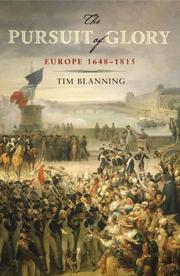 +
+The Pursuit of Glory: Europe 1648-1815
Timothy C.W. Blanningread in 2019
A sweeping survey of a turbulent time in the history of Europe, leading up to the beginning of the Industrial Revolution. As a fan of the Europa Universalis IV grand strategy game, this book was a great complement to the game by providing deep historical background for the various nations and kingdoms that play a part.
 +
+The Death and Life of Great American Cities
Jane Jacobsread in 2019
As a new resident in the West Village, this surprisingly timeless tract on the nature of American cities struck home. It teaches how to perceive the order in what would otherwise appear to be chaotic, disorganized completely. Many of its lessons appear to have gone unheeded in the decades since its publication. Reflective study of this book could lend insights for the cities of the future.
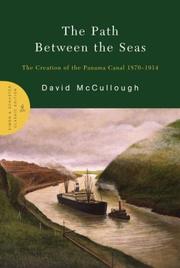 +
+The Path Between the Seas: The Creation of the Panama Canal, 1870-1914
David McCulloughread in 2019
Before reading this book, I had no idea France had first tried to construct a canal across the isthmus of Panama. An entertaining tale, skillfully told, takes the reader from those initial French attempts to the eventual American effort that culminated, through political and engineering challenges, into the canal that now exists.
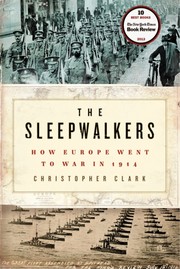 +
+The Sleepwalkers: How Europe Went to War in 1914
Christopher Clarkread in 2019
Sobering, accessible tale of exactly how things went off the rails in the lead up to World War I.
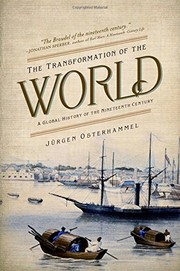 +
+The Transformation of the World: A Global History of the Nineteenth Century (America in the World)
Jürgen Osterhammelread in 2019
Incredibly rich, even to the point of denseness. Lays out data and fact, country by country, continent by continent, but doesn’t always weave a story, often deliberately leaving interpretation to the reader. There’s no unifying narrative, no simple explanations: the raw complexity of the 19th century is laid bare and examined, meticulously, from almost every angle.
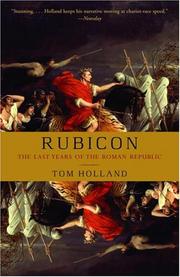 +
+Rubicon: The Last Years of the Roman Republic
Tom Hollandread in 2018
The events a hundred years before, and immediately after, Caesar crossed the Rubicon. Compellingly told and woven into a fine tapestry depicting the gradual and then sudden dissolution of the Roman Republic.
 +
+The Dream Machine
M. Mitchell Waldropread in 2018
A tour de force history of the early days of interactive computing. A window into a near-forgotten era, and of the work of J.C.R. Licklider, who did much to bring the dreams of that era into the reality of instantaneous, planetary-wide, communication and computing that we take almost completely for granted today. Highly recommended.
 +
+On Grand Strategy
John Lewis Gaddisread in 2018
A series of vignettes selected from history, highlighting themes of grand strategy across time.
 +
+The Square and the Tower: Networks and Power, from the Freemasons to Facebook
Niall Fergusonread in 2018
Erudite and thoughtful consideration of the interplay between networks (the eponymous square of the title) and hierarchies (the tower) across history.
 +
+Dynasty: The Rise and Fall of the House of Caesar
Tom Hollandread in 2017
Caesar is dead. Long live Caesar. This book explores the immediate history of Rome after the murder of Julius Caesar, narrating the machinations and consolidations of power that led to the reign of the emperors for the next several hundred years.
 +
+Dreamland: The True Tale of America's Opiate Epidemic
Sam Quinonesread in 2017
Powerful exposition on the modern history of the opiate drug trade in the United States: how it came about, how it prospered, how its tale interweaves with that of prescription painkillers, and how it rages on today, with more Americans dying each year to drug overdoses than die in car crashes.
 +
+The Silk Roads: A New History of the World
Peter Frankopanread in 2016
What would history look like if we placed the Middle East at the center of it? How did the events of the centuries impact that region? This book does that, and does so brilliantly, resulting in a lovely, wonderful, endearing, immensely scoped tale. Follow the history of an entire region across the span of thousands of years. The threads of the narrative pull together so well as to have kept me turning the pages. A tremendous work of scholarship and an enlightened insight into a region that, to this day, continues to be a locus of history.
Also
 +The House of Morgan: An American Banking Dynasty and the Rise of Modern FinanceRon Chernow
 +Heart of Europe: A History of the Holy Roman EmpirePeter H. Wilson
 +The Last King of America: The Misunderstood Reign of George IIIAndrew Roberts
 +Empire of Liberty: A History of the Early Republic, 1789-1815Gordon S. Wood
 +Children of Ash and Elm: A History of the VikingsNeil Price
 +Imperial Twilight: The Opium War and the End of China's Last Golden AgeStephen R. Platt
 +Battle Cry of Freedom: The Civil War EraJames M. McPherson
 +The Republic for Which It Stands: The United States during Reconstruction and the Gilded Age, 1865-1896Richard White
 +The Japanese Empire: Grand Strategy from the Meiji Restoration to the Pacific WarS.C.M. Paine
 +American Revolutions: A Continental History, 1750-1804Alan Taylor
 +The Wide Wide Sea: Imperial Ambition, First Contact and the Fateful Final Voyage of Captain James CookHampton Sides
 +The Glorious Cause: The American Revolution, 1763-1789 (Oxford History of the United States)Robert Middlekauff
 +The Wars for Asia, 1911-1949S.C.M. Paine
 +The Global Seven Years War 1754-1763: Britain and France in a Great Power ContestDaniel A. Baugh
 +What Hath God Wrought: The Transformation of America, 1815 - 1848Daniel Walker Howe
 +Poland: A HistoryAdam Zamoyski
 +Pax: War and Peace in Rome's Golden AgeTom Holland
 +Millennium: The End of the World and the Forging of ChristendomTom Holland
 +Iron Kingdom: The Rise and Downfall of Prussia, 1600–1947Christopher Clark
 +The Romanovs, 1613-1918Simon Sebag Montefiore
 +The Golden Road: How Ancient India Transformed the WorldWilliam Dalrymple
 +Ukraine: The Forging of a NationYaroslav Hrytsak
 +A History of the Muslim World: From Its Origins to the Dawn of ModernityMichael A. Cook
 +In the Shadow of the Sword: The Birth of Islam and the Rise of the Global Arab EmpireTom Holland
 +The Wise Men: Six Friends and the World They MadeWalter Isaacson
 +Jerusalem: The BiographySimon Sebag Montefiore
 +Persian Fire: The First World Empire and the Battle for the WestTom Holland
 +Bloodlands: Europe Between Hitler and StalinTimothy Snyder
 +End Times: Elites, Counter-Elites, and the Path of Political DisintegrationPeter Turchin
 +Revolutionary Spring: Europe Aflame and the Fight for a New World, 1848-1849Christopher Clark
 +Nixonland: The Rise of a President and the Fracturing of AmericaRick Perlstein
 +The Storm Before the Storm: The Beginning of the End of the Roman RepublicMike Duncan
Business50 recommended
 +
+The Four Steps to the Epiphany: Successful Strategies for Products that Win
Steve Blankread in 2022
Ancient (it came out in 2005) but offers timeless insights into how to create a product that people want, and, just as importantly, a business that can build and sell that product.
 +
+The Crux: How Leaders Become Strategists
Richard P. Rumeltread in 2022
How do you actually craft a good strategy for a business? What does that even mean? This book delves into exploring and answering that question, building on the author’s previous Good Strategy Bad Strategy by focusing on the actual mechanics of coming up with and developing a strategy in the first place.
 +
+Build: An Unorthodox Guide to Making Things Worth Making
Tony Fadellread in 2022
A heartfelt collection of insightful business lessons that achieves its goal of being a “mentor-in-a-book.” Contains perhaps the best articulation of what it is to be a great product manager.
[a] needle in a haystack. An almost impossible combination of structured thinker and visionary leader, with incredible passion but also firm follow-through, who’s a vibrant people person but fascinated by technology, an incredible communicator who can work with engineering and think through marketing and not forget the business model, the economics, profitability, PR. They have to be pushy but with a smile, to know when to hold fast and when to let one slide. They’re incredibly rare. Incredibly precious. And they can and will help your business go exactly where it needs to go.
 +
+Range: Why Generalists Triumph in a Specialized World
David Epsteinread in 2022
A thought-provoking book about the nature of creativity, learning, and innovation, emphasizing the importance of being able to draw analogies across diverse fields.
 +
+The Innovator's Solut!on: Creating and Sustaining Successful Growth
Clayton M. Christensenread in 2022
Why is it so hard for big, successful companies to continue to innovate? This book analyzes the challenge and offers some potential solutions.
 +
+Never Split the Difference: Negotiating As If Your Life Depended On It
Chris Vossread in 2022
Written by a former FBI hostage negotiator, argues that successful negotiation is predicated on emotional understanding, not logic. Outlines a set of effective negotiation tactics emphasizing curiosity and humility.
 +
+Cracking the PM Career: The Skills, Frameworks, and Practices To Become a Great Product Manager (Cracking the Interview & Career)
Jackie Bavaroread in 2021
Perhaps the single best book on product management as a career. Reading it felt like discovering GameFAQs as a kid: “oh, _this_ is how the game is played." The missing manual for the product management career.
 +
+Four Thousand Weeks: Time Management for Mortals
Oliver Burkemanread in 2021
Masquerading as a book about time management, this book is that, but only in the grander sense of one’s entire life being an exercise in, well, time management. The title refers to the rather shockingly ignored fact that each of us gets about four thousand weeks of life. What then should we do with it?
 +
+Working Backwards: Insights, Stories, and Secrets from Inside Amazon
Colin Bryarread in 2021
A useful summary of Amazon’s best practices, at least as they were back when the authors worked there. The first half of the book introduces practices such as the six-page memo and the second half explores how the practices were applied in products such as the Kindle and the Echo.
 +
+Make It Clear: Speak and Write to Persuade and Inform
Patrick Henry Winstonread in 2021
Expanding on the late author’s How To Speak annual lecture, this book is a wonderful compendium of a lifetime’s knowledge about effective communication.
 +
+United States v. Apple: Competition in America
Chris Sagersread in 2021
Remember the puzzlement that greeted the US suing Apple in its attempt to work with large, legacy publishers to try to fight against Amazon? This book provides a deep dive into the workings of modern antitrust law, pointing out its shortcomings as well as the political realities that underpin it.
 +
+Radical Focus
Christina Wodtkeread in 2021
Perhaps the single best book on OKRs. Unusual in that the first half of the book is a fable, but the structure works in that the second half of the book explains the approach by referencing back to the fable, so there’s always a practical illustration instead of just abstract theory.
 +
+Sid Meier's Memoir!: A Life in Computer Games
Sid Meierread in 2020
I think I first played the original Civilization sometime in the early 90s and immediately fell in love. Games are a new form of media, born the digital age, whose bounds have yet to be fully explored, but Sid Meier’s name will forever resound in history as an early innovator and creator of multiple genres. This is a heartfelt, honest, humble memoir of a career in the game industry and what it means to be a game designer, and more broadly, a creative and a businessperson.
 +
+The Art of Leadership: Small Things, Done Well
Michael Loppread in 2020
This is a heartfelt and brilliant book. The "small things" are like finely crafted gemstones -- faceted and polished to focus their light of wisdom. Each small thing manages to capture and distill an “unspoken truth” about what makes effective management and leadership (as well as the difference between them!)
 +
+No Rules Rules: Netflix and the Culture of Reinvention
Reed Hastingsread in 2020
The successor to the famed Culture Deck, this look inside how Netflix works lays out a different perspective on business as usual: instead vigorously arguing that freedom and responsibility go together and complement each other in innovative, margin-enhancing ways.
 +
+The Ride of a Lifetime: Lessons Learned from 15 Years as CEO of the Walt Disney Company
Robert Igerread in 2020
Usually retrospective tomes by accomplished CEOs are not worth reading. This book is an exception, as Bob Iger takes an honest appraisal of his career and offers sound, thoughtful and dare I say humble advice throughout.
 +
+That Will Never Work: The Birth of Netflix and the Amazing Life of an Idea
Marc Randolphread in 2020
A compelling and inspiring book, framed using the creation of Netflix, but really containing lessons for anyone wanting to start something new.
 +
+An Elegant Puzzle: Systems of Engineering Management
Will Larsonread in 2019
An insightful analysis on how to be an effective engineering manager. Though I’m not an engineering manager, I still found this book contained a multitude of valuable insights in terms of how to communicate upwards to leadership, how to organize and orient teams, and how to think about scaling and growth (both of product and of the team itself).
 +
+Talking to Strangers: What We Should Know About the People We Don’t Know
Malcolm Gladwellread in 2019
Written in the classic Gladwell style, this is an intriguing and thought-provoking read about why we trust strangers (and some of the consequences therein).
 +
+The Making of a Manager: What to Do When Everyone Looks to You
Julie Zhuoread in 2019
A valuable introduction to the art of management, written for someone who’s managing for the first time, but informed by the perspective of the trajectory of what it means to be a manager. Clear, accessible prose that leaps off the page. A pleasure to read.
 +
+Bad Blood: Secrets and Lies in a Silicon Valley Startup
John Carreyrouread in 2018
In the end, if the science doesn‘t work, the science doesn‘t work. This book illustrates just how long hype and spin and bluster and fraud can hold off a collision with reality.
 +
+Make Time & Deep Work
read in 2018
Deep Work: Rules for Focused Success in a Distracted World (Cal Newport) · Make Time: How to Focus on What Matters Every Day (Jake Knapp)
This pair of books, best read together, share strategies and tactics on how to make time for deep work. In a world filled with shiny distractions (digital and otherwise), finding time to focus on what‘s important (as well as determining, what, in fact, is actually important) is itself of vital importance.
 +
+Prediction Machines: The Simple Economics of Artificial Intelligence
Ajay Agrawalread in 2018
A brief survey of the business implications of the deep learning revolution, with a look at what sort of things are ripe for disruption and how that might happen. Accessibly written, even for a non-technical reader, this book does a great job of illustrating what sort of applications we're likely to see in the future and *why*.
 +
+Powerful: Building a Culture of Freedom and Responsibility
Patty McCordread in 2018
From one of the authors of Netflix’s famous culture deck comes this amazing book. Honest, direct, filled with excellent, actionable guidance on how to create a company culture and what sort of company culture one should strive to create.
 +
+Thinking in Bets: Making Smarter Decisions When You Don't Have All the Facts
Annie Dukeread in 2018
Entertainingly written by a former champion poker player, this book applies lessons learned around the card table to life and business. Insightful and a fun read.
 +
+The Box: How the Shipping Container Made the World Smaller and the World Economy Bigger
Marc Levinsonread in 2018
Shipping containers. Seemingly so obvious and yet, as this book reveals, not.
 +
+Shoe Dog: A Memoir by the Creator of Nike
Phil Knightread in 2018
Part autobiography, part business history by the founder of Nike, this book focuses on the early years. Heartfelt and honest; warmly written. Perhaps most surprising, to a modern reader, are the challenges of financing an aggressive growth strategy in a world before venture capital.
 +
+The Culture Map: Breaking Through the Invisible Boundaries of Global Business
Erin Meyerread in 2018
A practical, insightful look at international business cultural differences, told with humor and heart. Useful to anyone who works with folks from anywhere else.
 +
+The Deal of the Century: The Breakup of AT&T
Steve Collread in 2018
A fascinating portrayal of the dissolution of the telephone monopoly in the early 80s. Memorable characters and a stirring story well told make this a surprisingly hard-to-put-down read.
 +
+Good Strategy Bad Strategy: The Difference and Why It Matters
Richard P. Rumeltread in 2018
I‘m surprised this book was not on any of the reading lists of strategy courses I took in business school. Perhaps the clearest articulation of how to formulate strategy, as distinct from sloganeering, a common doppelgänger thereof.
 +
+Principles: Life and Work
Ray Dalioread in 2017
How to live and work effectively? This book explores, in great detail, Ray Dalio’s own approach, how he arrived at it, how he put it in practice, and why he believes it works. Not all lessons are every where applicable, but there’s something to learn from here.
 +
+WTF?: What's the Future and Why It's Up to Us
Tim O'Reillyread in 2017
Tim O’Reilly counters the zeitgeist’s prevailing pessimism about the future of tech and offers an inspiring vision of how things could/should be. Written with learning, humility, and love.
 +
+The Upstarts: How Uber, Airbnb, and the Killer Companies of the New Silicon Valley Are Changing the World
Brad Stoneread in 2017
Much like Brad Stone’s earlier work The Everything Store explored the history and rise of Amazon, this book examines the rise of Uber and Airbnb, along with a few other companies that didn’t quite rise so far. Published in early 2017, so it doesn’t take into account the most recent upheavals at Uber.
 +
+Machine, Platform, Crowd: Harnessing Our Digital Future
Andrew McAfeeread in 2017
A splendid book, replete with riches. Vital for understanding where we, as a society and an economy, are and where we’ll be heading in the decades ahead.
 +
+Radical Candor: Be a Kickass Boss Without Losing Your Humanity
Kim Malone Scottread in 2017
Preaches the importance of radical candor: a combination of caring personally and directly challenging. Contrasted, in sometimes humorous tales from the field, with the failure modes of ruinous empathy and obnoxious aggression. Clearly and concisely written, with lessons applicable to all, whether manager or individual contributor.
 +
+The Attention Merchants: The Epic Scramble to Get Inside Our Heads
Tim Wuread in 2017
A comprehensive history of advertising, thoughtfully told, from the penny press to the native ad.
 +
+First, Break All the Rules: What the World's Greatest Managers Do Differently
Marcus Buckinghamread in 2016
A timeless classic, dating from before the first tech bubble burst (written in 1999), this book contains advice that’s useful not only to active and aspiring managers, but to all those who report to a manager. Through the lens of encouraging self-discovery, it emphasizes the need for understanding as the engine for growth and provides a set of questions to help drive a career forward.
 +
+Managing Humans: Biting and Humorous Tales of a Software Engineering Manager
Michael Loppread in 2016
I’ve long been a reader of Rands in Repose, the author’s blog. This book contains some of the best essays from that blog, plus more, and provides a useful set of rubrics and lenses through which to view software engineering specifically and the technology industry more generally. Read this understand how giant tech companies actually get work done and the vital importance of middle managers: “A successful organization is built of layers of people that are glued together with managers. Each layer is responsible for a broad task, be it engineering or QA or marketing. Between each layer is a manager whose job it is to translate from one layer to the next . . . in both directions. He knows what his employees want. He knows what his manager wants, and he’s able to successfully navigate when those wants differ.” This book teaches how to be most effective as a manager in the middle between all those overlapping layers.
Science fiction23 recommended
 +
+Eversion
Alastair Reynoldsread in 2022
“A ship is a dream of whispers.” A beautifully crafted tale that unfolds, bit by bit, and reveals more and more as it continues until everything comes together satisfyingly at the end.
 +
+Terra Ignota Quartet
Ada Palmerread in 2022
Too Like the Lightning · Seven Surrenders · The Will to Battle · Perhaps the Stars
A fascinating unlike-anything-else romp through a sci-fi 25th century well-seasoned with 18th-century philosophy tied together with a page-turning plot set in a compelling and meticulously built world. One of those series that sticks with you long after you finish.
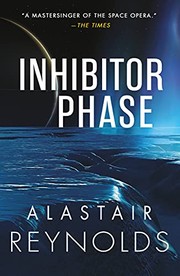 +
+Inhibitor Phase (The Inhibitor Sequence, #4)
Alastair Reynoldsread in 2021
Set in the author’s Revelation Space universe, this book begins seemingly out of the way but quickly brings events back into the main thread of the series. I only wish I had read the short story collection Galactic North *before* having read this book, as that would have provided some additional backstory to characters featured in this book.
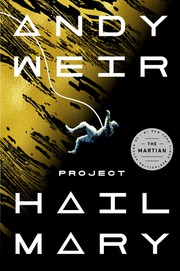 +
+Project Hail Mary
Andy Weirread in 2021
A fun sci-fi romp much in the style of the author’s earlier work, The Martian, but nonetheless enjoyable.
 +
+Fall; or, Dodge in Hell
Neal Stephensonread in 2021
A sequel of sorts to the author’s earlier work, REAMDE, this book is a fascinating exploration of what it means to create a world, inspired at least partly by Milton’s Paradise Lost, but enjoyable and thought-provoking on its own merits.
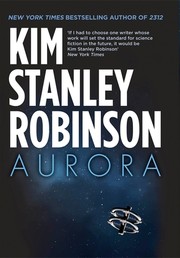 +
+Aurora
Kim Stanley Robinsonread in 2021
What would life be like on a generation ship? How might things fail? What happens when they do? This book deeply explores these questions.
 +
+Diaspora
Greg Eganread in 2021
Opens with a gripping telling of the creation of new, non-embodied intelligence and proceeds from there. A fun exploration of possible implications of where physics could lead, if speculating on possible interpretations of physics is your flavor of fun (it is mine!).
 +
+Schild's Ladder
Greg Eganread in 2021
Another dazzling exploration of the potentialities contained within the possibility space of quantum theory as well as what it means to encounter a truly alien universe.
 +
+The Ministry for the Future
Kim Stanley Robinsonread in 2020
This is a challenging, and, at times, bleak book, but ultimately an incredibly thought-provoking look at a potential future of the world as climate change continues to accelerate. One of those books that sticks with you long after you finish reading it.
 +
+The Diamond Age: Or, a Young Lady's Illustrated Primer
Neal Stephensonread in 2019
As someone who enjoys an occasional costume drama miniseries or a novel by Jane Austen, this was an enjoyable tale set in a neo-Victorian future. Hard to believe it was written in 2003 as it correctly anticipated many of the aspects of an always-on, digitally connected world where people can work from anywhere.
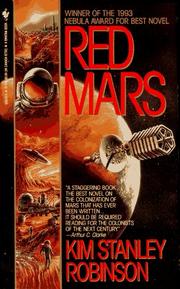 +
+Mars Trilogy
Kim Stanley Robinsonread in 2019
Red Mars · Green Mars · Blue Mars
I remember trying to read Red Mars as a kid when I was 10 or 11 years old. Needless to say it sailed entirely over my head and abandoned it unfinished. Returning now some decades later, the series as a whole is an incredible exploration of the human aspects of space colonization. The trilogy begins with a narrow focus on the initial set of colonists and their initial travails and then gradually widens the lens to ultimately encompass the entire planet, its transformation, and relationship with Earth.
 +
+Exhalation
Ted Chiangread in 2019
Another collection of wonderfully crafted sci-fi short stories from a master of the genre.
 +
+Anathem
Neal Stephensonread in 2019
Perhaps one of the most thought-provoking books I’ve ever read, mediating on the nature of knowledge and knowing itself. A beautiful blend of math, philosophy, and sci-fi/fantasy.
 +
+The Baroque Cycle
Neal Stephensonread in 2018
Quicksilver · The Confusion · The System of the World
Rich, resplendent, and towering, this series of three (or eight, depending on how you count) books soars from the Glorious Revolution to the Court of the Sun King to rambunctious adventures around the globe. Filled with scientific references, historical tidbits, and cameos (as well as larger parts played) by historical figures, this series is a delight.
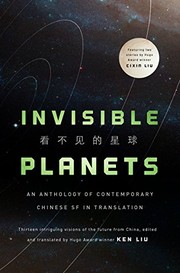 +
+Invisible Planets: An Anthology of Contemporary Chinese SF in Translation
Ken Liuread in 2017
Translated from Chinese by Ken Liu (who translated *The Three Body Problem*), this collection of science fiction short stories offers new and intriguing perspectives on both classic and novel themes. Hao Jingfang’s Folding Beijing struck me as particularly moving and poignant; an imaginative meditation on inequality, class, and power.
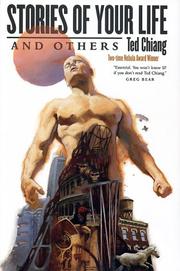 +
+Stories of Your Life and Others
Ted Chiangread in 2017
Succinct almost to the point of austerity, Ted Chiang’s hauntingly written tales waste not a word to weave a web of wonder, delight, and, at times, echoing mystery.
 +
+House of Suns
Alastair Reynoldsread in 2017
Set outside the Revelation Space universe, Alastair Reynolds manages to craft a compelling tale that spans galaxies and offers new mysteries of its own.
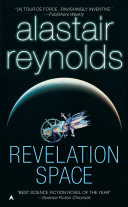 +
+Revelation Space series
Alastair Reynoldsread in 2016
Revelation Space · Redemption Ark · Absolution Gap
Hard scifi space opera. Greatly enjoyable, with memorable characters, backstory, science, history, and of course the requisite galactic-scale threats.
 +
+Culture series
Iain M. Banksread in 2016
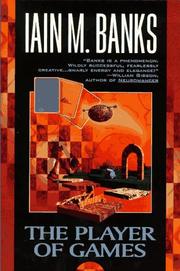
The Player of Games · Consider Phlebas · Use of Weapons · The State of the Art · Excession · Inversions · Look to Windward · Matter · Surface Detail · The Hydrogen Sonata
I read the entire ten book series over the course of 2016. The Culture series is set in the distant future where enlightened AIs run society and humans, freed from a life of labor, have to deal with the rest of the galaxy. What is life like when material want is eradicated? What about encounters with less enlightened aliens? Or perhaps backward planets lagging in development? All this and more is thoughtfully and philosophically dealt with in this amazing series. My favorite out of the ten books was the brilliant Matter, but I’d recommend starting with Player of Games.
 +
+Hainish Cycle
Ursula K. Le Guinread in 2016
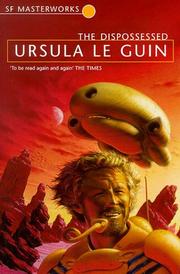
The Left Hand of Darkness · The Dispossessed: An Ambiguous Utopia
Continuing in my classic SF adventures, I tore through several of Ursula Le Guin’s novels. She writes with a poignancy and precision that makes her prose sing, and treats with themes that are larger than what’s typically encountered in science fiction. Among the books in the cycle, The Dispossessed stood out for me as a moving tale of two civilizations riven by decades of animosity. The entire work itself is beautifully and carefully framed, making it a work of art in its composition and form.
Three Body Problem
Liu Cixinread in 2015
The Three-Body Problem · The Dark Forest · Death's End
Translated from Chinese, this three book series: Three Body Problem, Dark Forest, Death’s End treats with the near and far future in a scenario where humanity makes contact with an alien civilization. It considers how earthlings react (on both personal and societal levels) as well as the interplay and tension between the two civilizations themselves. The series as a whole considers some Big Ideas and even Bigger Questions. The translation is superb and the series comes to a satisfying conclusion over the course of its narrative arc.
Science22 recommended
 +
+The Blank Slate: The Modern Denial of Human Nature
Steven Pinkerread in 2022
Compellingly argues for epistemic humility given our nature as biological creatures.
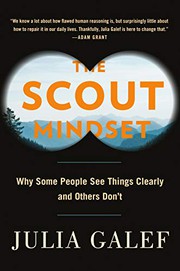 +
+The Scout Mindset: Why Some People See Things Clearly and Others Don't
Julia Galefread in 2022
This book compellingly answers the question of how we can better equip ourselves to see, think, and act rationally.
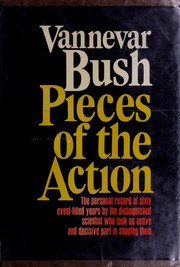 +
+Pieces of the Action
Vannevar Bushread in 2022
This book offers a reflective look back at how to create, design, and drive complex organizations to accomplish great things. The author, Vannevar Bush, was a key figure in creating both the Manhattan Project and the National Science Foundation.
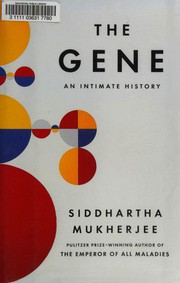 +
+The Gene: An Intimate History
Siddhartha Mukherjeeread in 2021
A brilliant exploration of the gene and how genes affect human lives, interwoven with a moving tale of how genes affected the author’s own family.
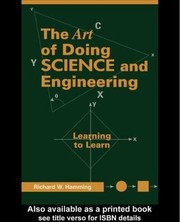 +
+The Art of Doing Science and Engineering: Learning to Learn
Richard Hammingread in 2020
Hamming is a giant in the field. His “You and Your Research” talk served as an inspiration in my computer scientist undergraduate research days. This book runs along much the same themes, albeit with a deeper treatment and a wider scope.
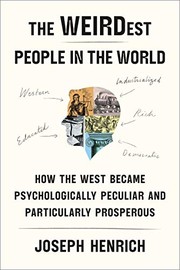 +
+The WEIRDest People in the World: How the West Became Psychologically Peculiar and Particularly Prosperous
Joseph Henrichread in 2020
It turns out 20 year old college students in prosperous Western countries are not actually valid as useful proxies for all of humanity. This book explains why.
 +
+The Origins of You: How Childhood Shapes Later Life
Jay Belskyread in 2020
A fascinating read exploring the eternal nature v. nurture debate, informed by the latest research. Importantly argues from a perspective of children as their own agents (children are people too!), e.g.
To mix metaphors, or at least switch from one involving wet clay to one involving a chalkboard, the child is not simply a blank slate that others write on. Rather, at least to some extent, the child plays the roles of the slate being written on, the chalk doing the writing, and the person holding the chalk.
 +
+Duped: Truth-Default Theory and the Social Science of Lying and Deception
Timothy R. Levineread in 2019
I picked up this book because, as I was reading Gladwell’s Talking to Strangers, I kept seeing this book mentioned in the footnotes. The academic underpinnings behind some of Gladwell’s theses, this book explains how deception detection happens (or doesn’t). Notably, it’s not because liars look like they’re lying.
 +
+The Body: A Guide for Occupants
Bill Brysonread in 2019
Delightful. Educational and full of wonder.
 +
+The Wizard and the Prophet: Two Remarkable Scientists and Their Dueling Visions to Shape Tomorrow's World
Charles C. Mannread in 2019
A powerful juxtaposition of two different, even opposed, perspectives of approaching technology and the future, set alongside the history of two men you’ve probably never heard of (though you should know about them!). Should we aim to seek technical solutions to our challenges (as wizards propose) or should we instead change our behavior to prevent or eliminate those challenges in the first place (as prophets propose)?
 +
+Stumbling on Happiness
Daniel Todd Gilbertread in 2018
An entertaining survey of the state of practical cognitive psychology and how we, as humans, routinely mispredict what will actually make us happy, as well as deceive ourselves about ourselves. Recommended.
 +
+Behave: The Biology of Humans at Our Best and Worst
Robert M. Sapolskyread in 2018
An incredible read, providing a deep look into human biology and neuroscience as we know it now, viewed through the lens of what makes us behave the way we do when we do. Insightful, humorous … deeply thought-provoking. Be sure to read the delightful footnotes.
 +
+Soonish: Ten Emerging Technologies That'll Improve and/or Ruin Everything
Kelly Weinersmithread in 2017
You know that sparkle in your eye when you learn something new? This book is full of those sparkles.
 +
+Seven Brief Lessons on Physics
Carlo Rovelliread in 2017
Short (86 pages!) and sweet. Evocatively explores seven aspects of modern physics and communicates the author’s passion for his field.
Biography21 recommended
 +
+Napoleon: The Man behind the Myth
Adam Zamoyskiread in 2022
Perhaps the polar opposite of Truman, Napoleon also did not shy away from making tough decisions. This book tells the tale of how he navigated the storm of the French Revolution, became Emperor, remade France, conquered Europe, and lost everything.
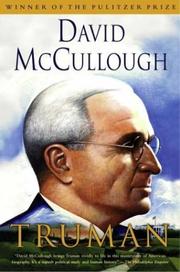 +
+Truman
David McCulloughread in 2022
Truman is thus far the only human to ever authorize the use of atomic weapons in warfare (and may that long continue to be the case). He did not shy away from making tough decisions: “I am here to make decisions and whether they prove right or wrong I am going to make them.” This book paints a nuanced, complex portrait of a humble, diligent, courageous, and deeply honorable man.
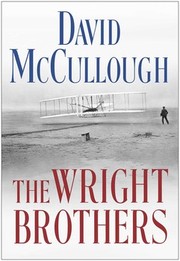 +
+The Wright Brothers
David McCulloughread in 2021
Surprisingly gripping narrative of how the Wright Brothers created and flew the first flying machine. Persistence and patience enabled them to see possibilities that others did not.
 +
+Born a Crime: Stories from a South African Childhood
Trevor Noahread in 2019
A heartfelt, honest, and at times, humorous, portrayal of what it was like growing up as a mixed race child in apartheid South Africa. Self-reflective and insightful.
 +
+Team of Rivals: The Political Genius of Abraham Lincoln
Doris Kearns Goodwinread in 2019
A deep portrait of Lincoln’s leadership style and his genius for bringing together people and bringing forth the best from them. If only we had politicians of his stature today.
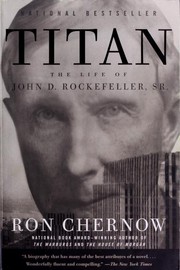 +
+Titan: The Life of John D. Rockefeller, Sr.
Ron Chernowread in 2019
A compelling and powerful portrait of Rockefeller and, by extension, Standard Oil. Much more than one-dimensional robber baron caricature.
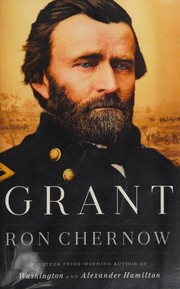 +
+Grant
Ron Chernowread in 2018
A human portrayal of a simple man from Southwestern Ohio; of his struggles, his character, his flaws, and his virtues.
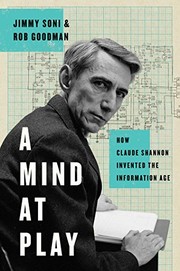 +
+A Mind at Play: How Claude Shannon Invented the Information Age
Jimmy Soniread in 2018
I first heard the name Claude Shannon in undergrad, in a little experimental course called 6.095: Information and Entropy. I remember being fascinated at the simplicity and depth of the theory that Shannon laid out. This book surveys his life and the development of that theory, as well as Shannon‘s own incredible combination of intellectual breadth and depth.
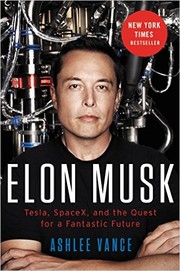 +
+Elon Musk: Tesla, SpaceX, and the Quest for a Fantastic Future
Ashlee Vanceread in 2018
Written in 2012, this book offers insight into Elon Musk‘s early life, initial success in business, and current motivation and drive.
 +
+The Years of Lyndon Johnson
Robert A. Caroread in 2015
The Path to Power · Means of Ascent · Master of the Senate · The Passage of Power
This is perhaps the best historical biography I’ve ever read. Four books so far, with a fifth on the way, it is not only meticulously researched, but is deliciously and superbly well-written. The first book, The Path to Power, opens with a long consideration of West Texas topography — a topic in which I had previously found no interest — but does so so brilliantly that I found myself enraptured by the pages. Robert Caro can *write*. The third book, Master of the Senate, is a stunning telling of LBJ’s use of political power to Get Things Done in the Senate. The entire series is an amazing study of the nature of power (“Power, Lord Acton says, corrupts. Not always. What power always does is reveal.”) and an intimate portrait of LBJ.
Economics12 recommended
 +
+How Asia Works: Success and Failure in the World's Most Dynamic Region
Joe Studwellread in 2021
This book should be titled “What to do (and not do) if you’ve just been handed the reins of power in a developing country,” because it’s almost a manual for what works (and what doesn’t) in developmental economics. Compellingly argues that what works for a full-powered, developed economy is a different brew than what a developing economy needs. Alas, then, that many of our global institutions have been prescribing the wrong medicine for decades.
 +
+The Fabric of Civilization: How Textiles Made the World
Virginia Postrelread in 2020
I wear clothes every day and have done so for my entire life. Yet, until I read this book, I pretty much took clothing entirely for granted. This book narrates a beautiful journey into fabric and textiles: how they’re made, where they come from, how they become clothing, whence the vagaries of fashion arise. Written with a love for the subject that shines through its pages.
 +
+The New Map: Energy, Climate, and the Clash of Nations
Daniel Yerginread in 2020
In some sense, this book picks up where The Prize, by the same author, leaves off. It looks at the future (and the past) as the world begins its transition away from carbon-based forms of energy.
 +
+More from Less: The Surprising Story of How We Learned to Prosper Using Fewer Resources―and What Happens Next
Andrew McAfeeread in 2019
An insightful read about how well-managed markets can lead to increased prosperity while, at the same time, reducing resource usage. Argues that environmental improvements have not solely been a product of regulatory initiatives but also, and importantly, are what people want. No one wants pollution: people want prosperity. If there’s a way to prosperity without pollution, that’s preferable to a polluted pathway. Technological innovation and development has carved and can continue to carve those pathways in the future.
 +
+Jump-Starting America: How Breakthrough Science Can Revive Economic Growth and the American Dream
Jonathan Gruberread in 2019
Thoughtful, informative, detailed, data-backed. Makes a persuasive case for targeted public investment to spur private development.
 +
+Moneyland: Why Thieves and Crooks Now Rule the World and How To Take It Back
Oliver Bulloughread in 2019
A fascinating read on how money moves around the world (both offshore and onshore) and how interwoven it is with politics and power.
 +
+Radical Markets: Uprooting Capitalism and Democracy for a Just Society
Eric A. Posnerread in 2019
A thought-provoking read. Honest and humble, with creative new ideas (some of which may work, some of which may not, but all of which deserve consideration and additional thought). I learned about quadratic voting thanks to this book, which I have to admit is a pretty cool concept.
 +
+Why Nations Fail: The Origins of Power, Prosperity, and Poverty
Daron Acemoğluread in 2019
Highly readable, with ample helpings of fascinating historical vignettes, this book looks at nations through the lens of their institutions. Specifically, their economic and political institutions, and whether each of these are inclusive (economic growth or political power has a broad base and percolate within the system) or extractive (economic growth or political power drain out of the system). A valuable lens of looking at the world, of looking at political and economic decisions (does this increase inclusivity? is there an appropriate level of centralization?)
 +
+Information Rules
Carl Shapiroread in 2018
Though written at the turn of the century, this book‘s dated references do not distract from the underlying soundness of the theory and insight offered about the network economy.
 +
+The Rise and Fall of American Growth: The U.S. Standard of Living since the Civil War (The Princeton Economic History of the Western World)
Robert J. Gordonread in 2017
Argues that 1870 to 1970 comprised the most productive hundred years of history and that future growth will not reach those heights of productivity any time soon. Strongest in its economic history, offering insights into the everyday and illustrating the impact of now-commonplace inventions such as the car, lightbulb, indoor plumbing, television, and flight.
 @dominik